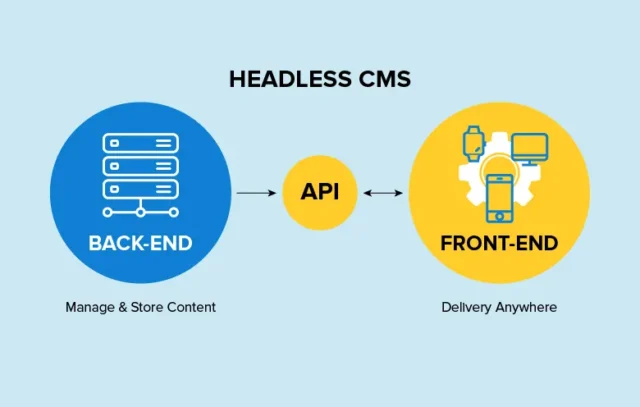
In modern web engineering, the debate between monolithic content management systems (CMS) and custom javascript frameworks is often framed as a zero-sum game. However, a hybrid architecture known as Headless CMS offers the best of both worlds: pairing the editorial familiarity of WordPress with the performance of Next.js.
Why Headless WordPress?
For years, WordPress has dominated content editing. Gutenberg blocks allow writers to draft visually without developer overhead. But traditional WordPress rendering (PHP layouts) can become slow, bloated, and vulnerable to security threats if not maintained meticulously.
By decoupling the system, WordPress functions purely as an administrative content API. Next.js fetches this raw data at build time via clean REST endpoints and renders static pages. The result is a website that loads instantly and holds zero direct connection to your server database, making SQL injection impossible.
Key Performance Benefits
- Instant Page Speed: Next.js pre-renders pages into static HTML and stores them on global edge networks (Vercel, Cloudflare).
- Reduced Server Load: Your WordPress server only receives requests when editors publish new content, not when thousands of users visit the site.
- Modern Frontend tooling: Developers can build custom micro-animations using GSAP and coordinate styles cleanly in Tailwind without legacy PHP theme constraints.
"Decoupling content management from execution frees the browser from bloated database lookups, turning page requests into instant edge-cached loads."
Making the Shift
To get started, simply utilize the built-in WordPress REST API. Hook your Next.js project's static data queries to fetch pages, format the payload, and hydrate your React page templates. It’s performance-first architecture without losing content editor flexibility.