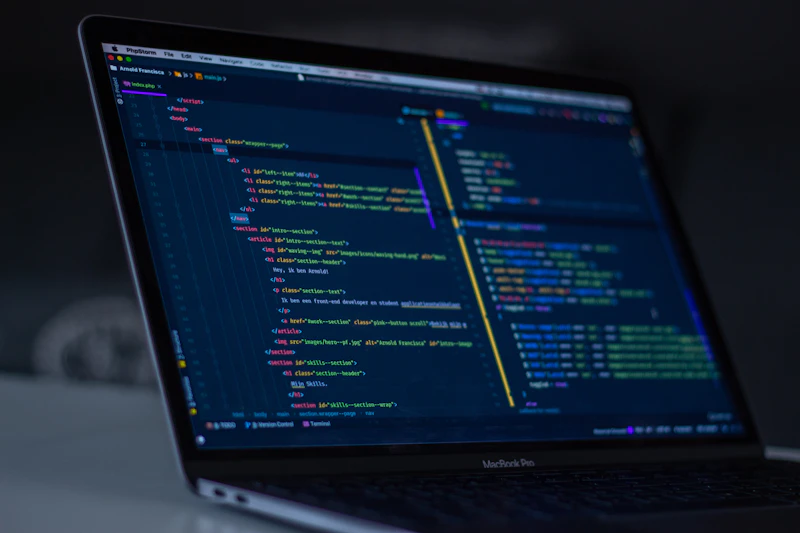
As a software engineering student, one of the most valuable lessons is understanding how systems connect. You don't need to be a syntax expert in every language to build secure systems—instead, you need to understand core design patterns, database architecture, and safety protocols.
With generative AI tools, we can accelerate coding dramatically. However, AI often makes mistakes in WordPress development if not properly directed. Here is how to guide AI to write stable, production-grade plugins using structural planning.
1. Formulate Clear Data Structures
Before prompting the AI to output PHP hooks, plan your data flow. Are you using custom post types, metadata, or transient caching? By detailing precisely how you want WordPress to manage the data, the AI outputs much cleaner code.
2. Emphasize Security Hooks
WordPress backend hooks require strict security. Always prompt your AI assistant to include:
- Nonces: Verify requests originated from the admin dashboard to prevent Cross-Site Request Forgery (CSRF).
- Capabilities check: Confirm the current user has permission (e.g.
manage_options) before executing db updates. - Data Escaping: escape output fields using functions like
esc_html()oresc_attr()to avoid Cross-Site Scripting (XSS).
The AI + Engineering Formula
The magic happens when you pair software engineering concepts (like MVC separation, database normalization, and input sanitation) with AI execution. You act as the architect—specifying the hooks, naming filters, and review parameters—while the AI handles syntax hydration. This combination lets you build lightweight, custom plugins that match corporate-level security standards.